Enhancing Maritime Operations
with Drone Technology
Ship inspections are time-consuming and costly. Drones inspect
hard-to-reach areas such as hulls, cargo holds, and superstructures —
saving time while reducing risk to human inspectors.
Port infrastructure including cranes, docks, and underwater structures
can also be inspected using specialized ROV systems. Confined space
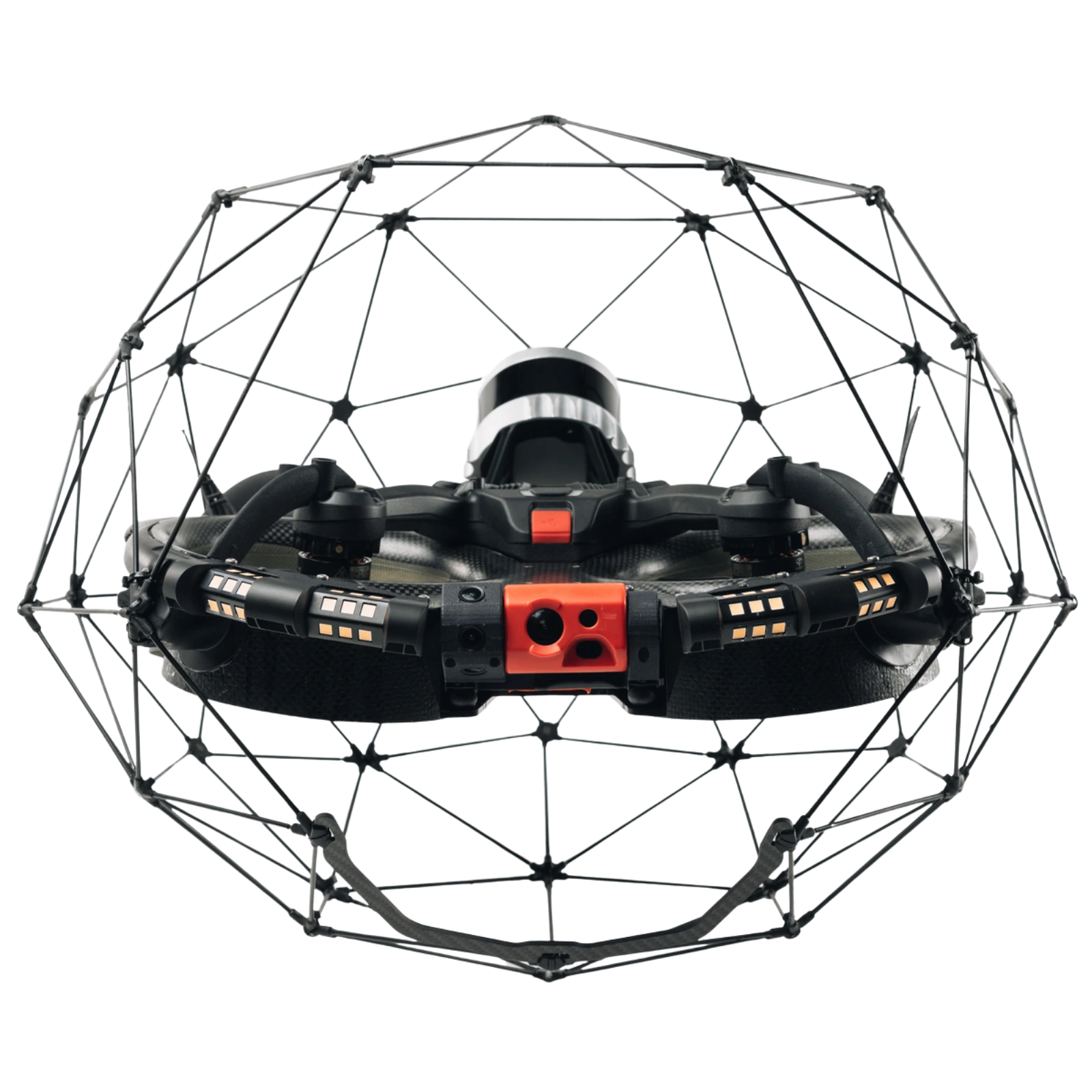
drones equipped with LiDAR collect volumetric and surface area data
inside ship tanks, while new UTM payloads measure hull and tank wall thickness.
Hulls
Inspect external structures without scaffolding or divers.
Cargo Holds
Ensure cleanliness, safety, and structural integrity.
Superstructures
Conduct detailed checks of high and complex areas with ease.
Maritime Advantages
Benefits of Drone-Based Maritime Inspections
Modern Solutions for Maritime Challenges.
Drone technology is transforming how shipowners, operators, and port authorities
manage inspections.
From routine maintenance to critical assessments, drones provide a
smarter, safer, and more efficient approach to maritime operations.
Improved Safety
Drones eliminate the need for inspectors to operate in hazardous
conditions such as heights, confined spaces, or underwater environments —
significantly reducing operational risk.
Cost and Time Efficiency
Faster inspections reduce vessel downtime and lower operational
costs, allowing crews and port operators to maintain productivity.
Detailed Analysis
High-resolution imaging and advanced sensors deliver precise,
data-driven insights to support maintenance planning and repair decisions.
Maritime Inspection Capture
Marine · Structural · Remote
Why Drones
Smarter Infrastructure Inspections
Efficient
Complete inspections faster with minimal downtime.
Safe
Reduce human exposure to hazardous environments.
Accurate
Capture high-precision data for reliable decisions.
Cost-Effective
Lower operational costs by reducing labor and equipment needs.
Versatile
Adapt to various industries and inspection types.
Real-Time Insights
Access live data for immediate analysis and action.
Ready to Modernize Your Inspections?
Safer Infrastructure Inspections
Powered by Drone Technology
Eliminate human risk, reduce downtime, and gain high-resolution
structural insights through advanced drone inspection systems.